.. Try to include a few emojis where it fits naturally in the content.
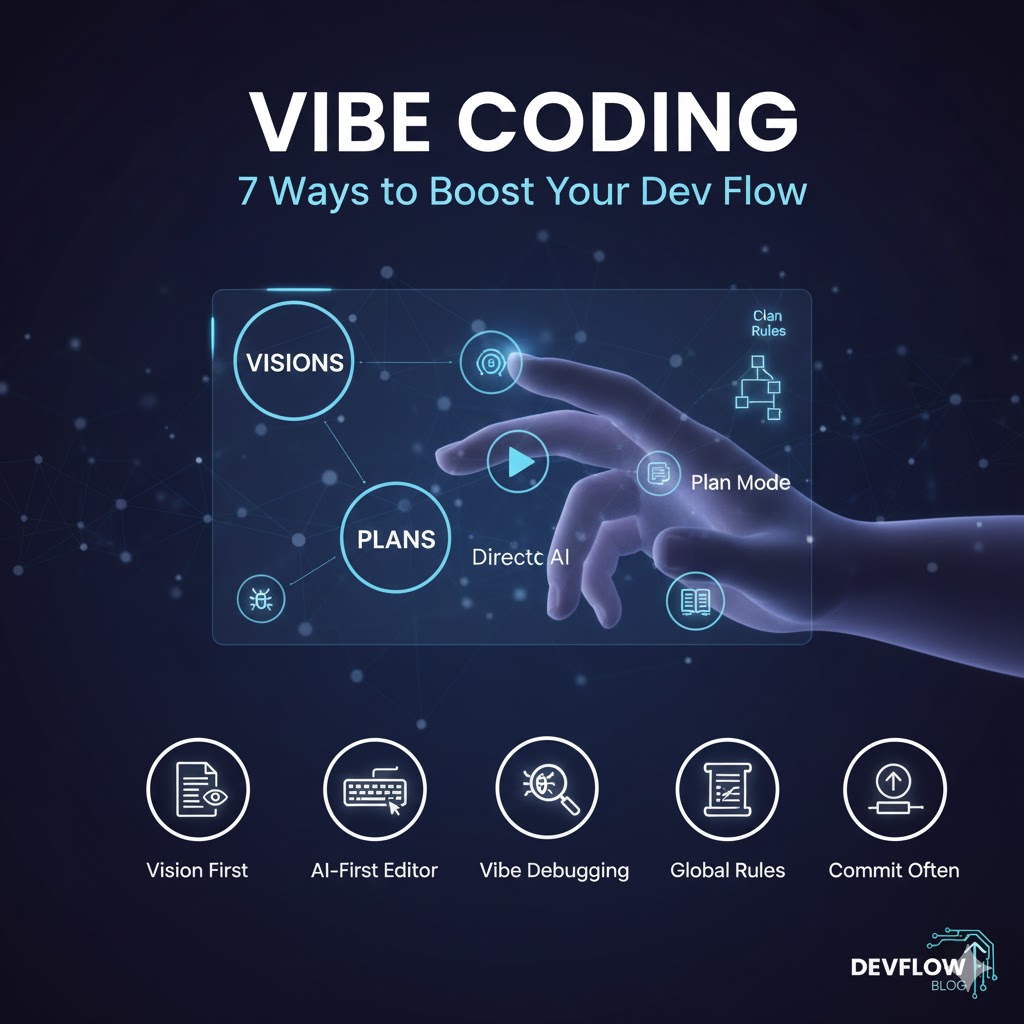
What is Vibe Coding: 7 Ways to Boost Your Dev Flow
Introduction
Ever found yourself in a coding session where everything just clicks? Where your fingers fly across the keyboard, and solutions seem to materialize effortlessly? That’s not just luck – you’ve experienced what is vibe coding. This phenomenon has become a hot topic among developers seeking to maximize productivity and creativity. In today’s fast-paced tech landscape, understanding how to consistently tap into this optimal coding state can be the difference between meeting deadlines with elegant solutions and struggling through frustrating debugging sessions. Let’s explore how you can harness the power of coding vibes to transform your development experience.
Tool / Technology Overview
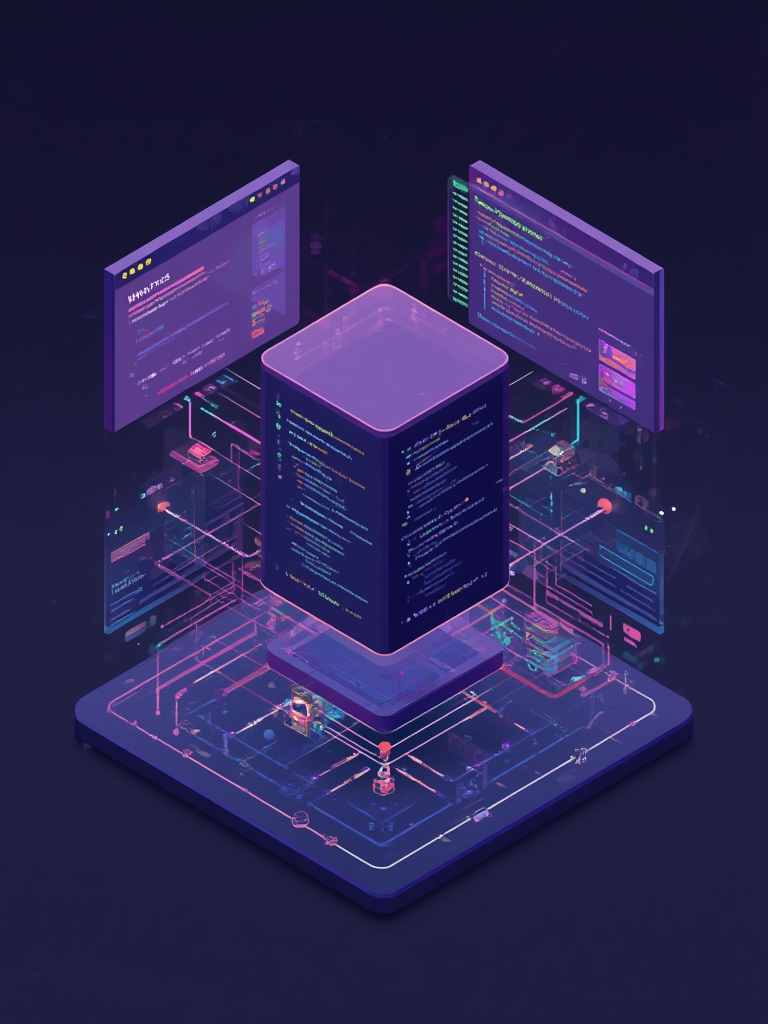
Vibe coding definition refers to creating an optimal state of flow and environment when programming. Unlike traditional productivity methodologies, vibe coding focuses on the holistic experience of development – combining workspace atmosphere, mental state, and technical setup to create peak performance conditions.
This approach benefits:
- Solo developers seeking deeper focus
- Team environments needing creative synergy
- Startups maximizing limited resources
- Enterprise developers dealing with complex systems
Vibe coding addresses cognitive fatigue, creativity blocks, and decision paralysis by creating conditions where coding becomes more intuitive and enjoyable.
Key Features & Capabilities
When exploring what is vibe coding, several key components work together:
• Environmental Optimization – Workspace design, lighting, and noise control
• Mental State Conditioning – Techniques for focus, creativity, and problem-solving
• Technical Ecosystem – IDE setups, snippets, and tool configurations
• Time Management – Work cycles optimized for your personal cognitive patterns
• Social Dynamics – Solo vs. collaborative coding approaches
These elements integrate with your existing development stack, regardless of language or platform, to enhance overall productivity and code quality.
Setup & Requirements
Getting started with vibe coding requires minimal technical prerequisites but some thoughtful preparation:
- Workspace assessment (lighting, ergonomics, distractions)
- Development environment audit (IDE, tools, configurations)
- Personal workflow analysis (productivity patterns, energy cycles)
- Optional tools: focus apps, ambient sound generators, time trackers
The beauty of this approach is its adaptability to any development environment – whether you’re coding on macOS, Windows, or Linux, in a corporate office or home setup.
Step-by-Step Implementation Guide
Follow these steps to implement what is vibe coding in your daily practice:
- Analyze your peak performance times – Track when you naturally code most effectively
- Optimize your physical environment – Adjust lighting, sound, and workspace organization
- Create custom IDE configurations – Set up themes, snippets, and extensions that reduce friction
- Establish rituals – Develop consistent start/end routines for coding sessions
- Implement time-boxing – Use techniques like Pomodoro or custom time blocks
- Curate inspiration sources – Build a library of code examples and solutions
- Develop recovery strategies – Plan for how to regain focus after interruptions
For best results, implement these changes incrementally rather than attempting a complete overhaul at once.
Use Cases & Real-World Applications
Vibe coding shines in various development scenarios:
🚀 Deep Work Sessions – When tackling complex algorithms or architecture decisions
💡 Creative Problem-Solving – Finding elegant solutions to stubborn bugs
🔄 Refactoring Marathons – Maintaining focus during extensive code restructuring
⚡ Hackathons – Maximizing output during time-constrained events
Developers report 25-40% productivity increases when properly implementing vibe coding techniques, particularly for tasks requiring sustained focus or creative thinking.
Pros, Limitations & Considerations
Understanding what is vibe coding means acknowledging both its strengths and limitations:
Advantages:
- Reduced cognitive load while coding
- Higher quality output with fewer bugs
- Increased job satisfaction and reduced burnout
- Improved problem-solving capabilities
Limitations:
- Requires personal experimentation to find optimal settings
- Some techniques may conflict with company policies
- Initial setup time investment
- Not equally effective for all types of development tasks
Tips, Best Practices & Optimization Advice
To maximize your vibe coding experience:
🎧 Experiment with different sound environments (silence, ambient, lo-fi beats)
🌈 Test various IDE color schemes for different types of work
⏱️ Track your productivity patterns to identify your optimal work cycles
🧠 Practice mindfulness techniques to quickly enter flow states
🔄 Regularly reassess and adjust your environment as projects change
Remember that what is vibe coding is highly personal – what works for others may not work for you.
Common Mistakes to Avoid
Watch out for these pitfalls when implementing vibe coding:
• Over-optimization – Spending more time tweaking your environment than coding
• Tool obsession – Focusing too much on apps rather than the mental state
• Rigid scheduling – Forcing yourself to work during non-optimal times
• Ignoring physical needs – Neglecting hydration, movement, and rest
Maintenance, Updates & Scaling
Your vibe coding system should evolve with you:
- Conduct monthly reviews of your setup effectiveness
- Adjust as project demands change
- Incorporate new tools and techniques gradually
- Document what works for future reference
Conclusion
What is vibe coding goes beyond mere productivity hacking – it’s about creating harmony between your mental state, physical environment, and technical setup. By implementing these seven approaches, you can transform your development experience from draining to energizing. Whether you’re a seasoned developer or just starting out, these techniques can help you find your optimal coding flow.
Ready to level up your development experience? Start with just one vibe coding technique this week and build from there. Your future self (and codebase) will thank you!
FAQs
Is vibe coding suitable for beginner developers?
Yes! In fact, beginners often benefit most from establishing good habits early in their coding journey.
Does vibe coding work for all programming languages?
Absolutely. The principles apply regardless of whether you’re writing JavaScript, Python, C++, or any other language.
How long does it take to see results from vibe coding techniques?
Most developers notice improvements within 1-2 weeks of consistent application, with major benefits appearing after 30 days.
Can vibe coding techniques be applied to remote or distributed teams?
Yes, many techniques can be adapted for virtual environments, though some modifications may be needed for team synchronization.
Do I need to purchase special equipment for effective vibe coding?
No, while some tools can enhance the experience, the core principles require no special equipment beyond your existing development setup.