
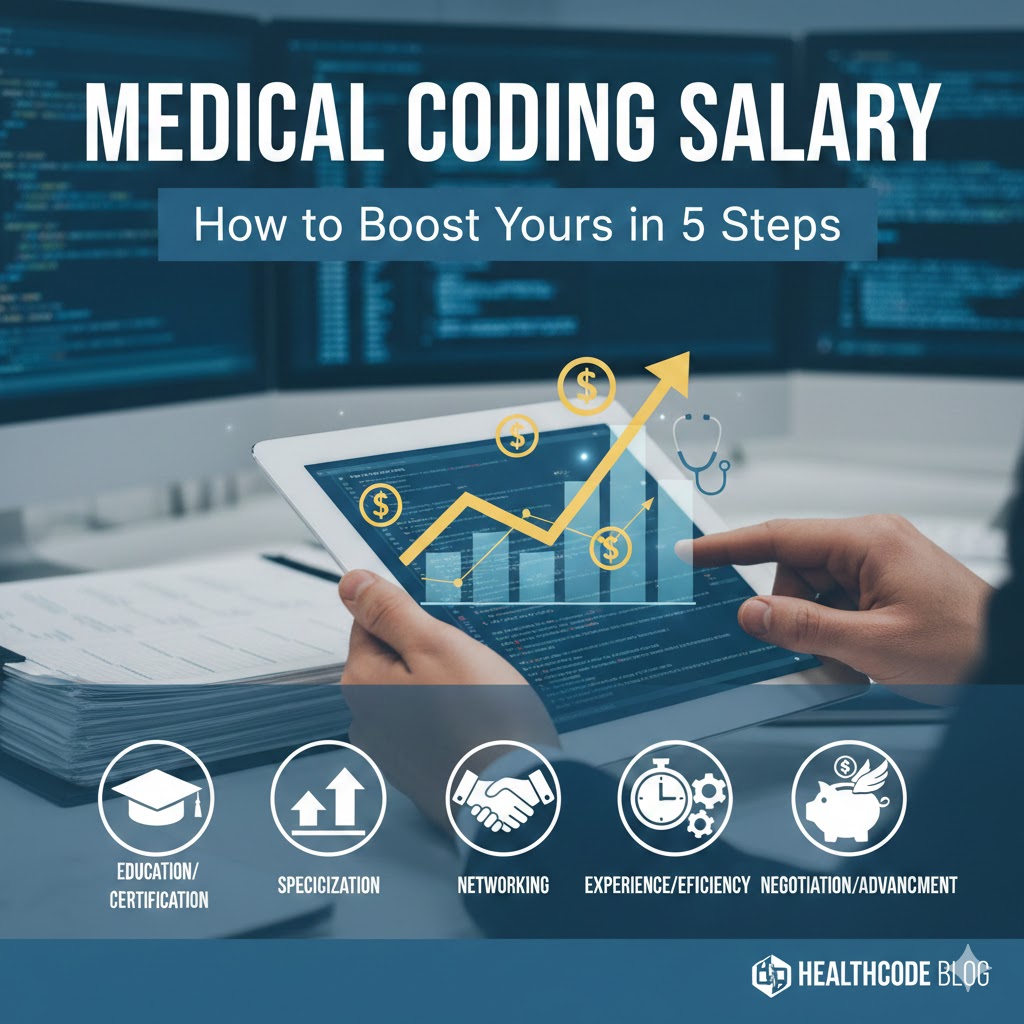
Medical Coding Salary: How to Boost Yours in 5 Steps
Introduction
In today's healthcare industry, skilled medical coders are in high demand, yet many professionals find themselves earning less than they deserve. Are you wondering if your compensation matches your expertise? Understanding your earning potential and how to maximize it is crucial in this specialized field. medical coding salary ranges can vary significantly based on credentials, experience, and location—but with the right approach, you can strategically position yourself for higher earnings. Whether you're just starting your career or looking to advance, these five proven steps will help you boost your income potential in this essential healthcare profession.
Understanding Medical Coding Compensation

The average medical coding salary in the United States typically ranges between $40,000 and $65,000 annually, though this varies based on several factors:
- Experience level: Entry-level vs. senior positions
- Credentials: CPC, CCS, RHIT, or other certifications
- Specialization: Outpatient, inpatient, or specialty coding
- Geographic location: Urban centers vs. rural areas
- Workplace setting: Hospitals, physician practices, or remote work
Medical coding professionals serve as the vital link between clinical documentation and healthcare reimbursement. As healthcare regulations grow more complex, employers are willing to pay premium salaries for coders who can ensure compliance and maximize legitimate reimbursements.
Key Factors Influencing Medical Coding Salary
Understanding what drives compensation in this field is essential for career planning:
- Certification: Certified coders earn 20-30% more than non-certified counterparts
- Experience: Each year of experience can add 1-3% to base salary
- Specialization: Specialized coders (cardiology, oncology, etc.) earn 15-25% more
- Productivity: High-performing coders often qualify for performance bonuses
- Education: Advanced degrees can open doors to management positions
Medical coding salaries have consistently grown at 2-4% annually over the past decade, outpacing inflation in many years. This trend reflects the increasing complexity of healthcare documentation and the critical role coders play in revenue cycle management.
Step-by-Step Guide to Increasing Your Income
Step 1: Obtain and Upgrade Certifications
The most direct path to increasing your medical coding salary is through certifications:
- Start with a base certification (CPC or CCS)
- Add specialty credentials relevant to your workplace
- Maintain certifications through required CEUs
- Consider advanced credentials like CDIP or RHIA for management roles
According to AAPC data, each additional certification can increase your earning potential by 5-10%.
Step 2: Specialize in High-Demand Areas
Focusing on complex specialties can significantly boost your income:
- Inpatient coding (typically pays 10-15% more than outpatient)
- Risk adjustment coding (growing rapidly with value-based care)
- Surgical coding (particularly cardiovascular and orthopedics)
- Oncology coding (consistently among highest-paying specialties)
Step 3: Gain Experience in Multiple Settings
Diversifying your experience makes you more valuable:
- Work in both facility and professional fee coding
- Gain experience with multiple EHR systems
- Develop expertise in both outpatient and inpatient settings
- Take on audit or education responsibilities when possible
Step 4: Develop Complementary Skills
Expand beyond basic coding to increase your value:
- Learn CDI (Clinical Documentation Improvement) skills
- Develop proficiency in healthcare compliance
- Master coding auditing techniques
- Build expertise in denial management
Professionals with combined coding and CDI skills typically earn 15-20% more than coders alone.
Step 5: Strategic Career Advancement
Position yourself for promotion and advancement:
- Take on leadership roles within your department
- Mentor newer coders to demonstrate leadership
- Join professional organizations and network actively
- Consider remote work opportunities for higher pay
- Explore consulting or freelance options for experienced coders
Common Mistakes to Avoid
- Neglecting continuing education: Coding guidelines change annually
- Limiting yourself geographically: Remote opportunities expand options
- Staying comfortable: Avoiding challenging coding scenarios limits growth
- Ignoring productivity metrics: Speed and accuracy directly impact value
- Failing to negotiate: Many coders accept initial offers without discussion
Conclusion
Boosting your medical coding salary requires a strategic approach to skill development, certification, and career advancement. By following these five steps—obtaining relevant certifications, specializing in high-demand areas, diversifying your experience, developing complementary skills, and strategically advancing your career—you can significantly increase your earning potential. The investment in your professional development not only pays financial dividends but also enhances job security and satisfaction in this essential healthcare field. Take action today by assessing where you stand on each step and creating a personalized plan to elevate your coding career.
FAQs
What certification offers the highest return on investment for medical coders?
The CPC certification provides excellent ROI for outpatient coders, while the CCS often yields the highest returns for inpatient hospital coding.
How long does it typically take to reach the top of the medical coding salary scale?
Most coders reach their peak earning potential after 7-10 years, though continuing to add specialized credentials can extend growth.
Can remote medical coding positions offer competitive salaries?
Yes, remote positions often pay competitive or even premium rates while offering flexibility and eliminating commuting costs.
Is a college degree necessary for advancing in medical coding?
While not always required, an associate's or bachelor's degree can open doors to management positions and higher salary potential.
What's the fastest way to increase my coding salary in the next year?
Obtaining a specialty certification in a high-demand area like risk adjustment or surgical coding typically provides the fastest salary boost.