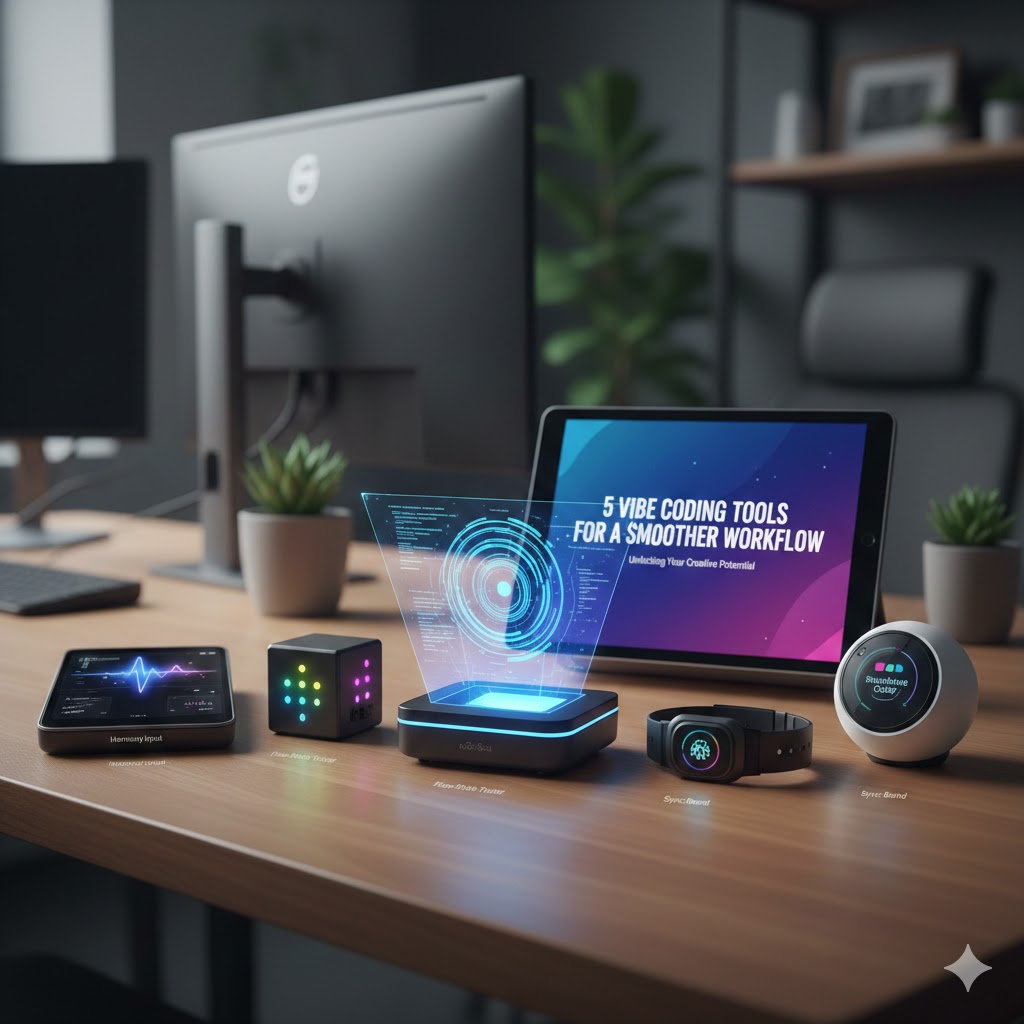
5 Vibe Coding Tools for a Smoother Workflow
In the world of programming, your environment can dramatically impact your productivity and creativity. If you've been feeling stuck in a coding rut lately, it might be time to refresh your toolkit with some vibe coding tools. These aren't just aesthetically pleasing additions to your setup – they're functional enhancements designed to make your coding sessions more enjoyable and efficient. In this post, I'll introduce you to five fantastic tools that can transform your coding experience from mundane to inspiring, helping you maintain focus and elevate your workflow.
What Are Vibe Coding Tools? {#what-are-vibe-coding-tools}
Vibe coding tools are applications, hardware, and customizations that enhance your programming environment by creating a pleasant, focused atmosphere. Unlike conventional programming tools that solely emphasize functionality, vibe coding tools consider the emotional and aesthetic aspects of your workflow. They're designed to reduce eye strain, decrease cognitive load, and create a workspace that feels personally meaningful and comfortable.
The concept bridges productivity with personality, recognizing that developers perform better when their environment resonates with their preferred aesthetic. From color schemes that ease visual processing to audio environments that boost concentration, these tools form an ecosystem that supports both technical needs and personal wellbeing.
Tool #1: Ambient IDE Themes {#tool-1-ambient-ide-themes}
Your IDE is where you spend countless hours, so its visual appearance matters significantly. Modern vibe coding tools include specialized themes that go beyond basic dark mode:
- Dracula Theme: A popular dark theme available for most IDEs and text editors, offering vibrant syntax highlighting that's easy on the eyes during long coding sessions.
- GitHub Theme: Recently developed by GitHub, this theme offers both light and dark variants that match the GitHub interface for cohesive visual experience.
- Night Owl: Designed specifically for night-time coding with carefully selected contrasts to reduce eye strain.
These aesthetic programming tools aren't just about looks – they're engineered for readability and reduced eye fatigue. Studies from the University of Michigan suggest that proper color schemes can significantly reduce visual stress during extended screen time.
Tool #2: Lo-Fi Coding Companions {#tool-2-lo-fi-coding-companions}
The right audio environment can transform your focus. Consider these audio-based vibe coding tools:
- Lofi.co: A popular platform offering customizable lo-fi music streams with adjustable ambient sounds like rainfall or cafe chatter.
- Coding Mode: A Spotify playlist genre specifically curated for programming sessions with non-distracting beats.
- Generative Audio Apps: Tools like Endel that create personalized soundscapes based on your focus needs, time of day, and even weather.
These audio environments help establish a state of flow, blocking distractions without introducing lyrics that might compete for your linguistic processing resources. Many developers report that consistent audio cues help them re-enter coding states faster when returning to projects.
Tool #3: Mechanical Keyboards {#tool-3-mechanical-keyboards}
The tactile experience of typing can significantly impact your coding satisfaction. Mechanical keyboards are considered essential vibe coding tools by many developers:
- Custom Keycaps: Personalized keycaps with colors and designs that match your aesthetic preferences.
- Programmable Layouts: Keyboards that allow custom key mapping to optimize for your specific coding patterns.
- Switch Varieties: Different mechanical switches provide varied typing experiences – from silent tactile feedback to satisfyingly clicky responses.
The physical feedback from quality keyboards reduces typing errors and provides satisfying sensory input that makes coding more enjoyable. The Journal of Ergonomics has published multiple studies linking keyboard quality to reduced wrist strain and improved typing accuracy.
Tool #4: Customizable Workspace Lighting {#tool-4-customizable-workspace-lighting}
Lighting dramatically affects mood and focus. Modern aesthetic programming tools include:
- Smart LED Strips: Programmable lighting that can adjust color temperature based on time of day or project.
- Screen Backlighting: Ambient lighting behind monitors to reduce eye strain and create depth in your workspace.
- Circadian Rhythm Lamps: Lights that automatically adjust throughout the day to support your natural energy cycles.
Proper lighting reduces eye strain during long coding sessions and can create context-specific environments that signal to your brain when it's time to focus. Many developers use color schemes to mentally separate work modes – cooler lights for intensive debugging and warmer tones for creative development.
Tool #5: Minimal Productivity Apps {#tool-5-minimal-productivity-apps}
Digital clutter can be as distracting as physical mess. These software vibe coding tools help maintain focus:
- Forest App: A focus timer that grows virtual trees while you work uninterrupted.
- Notion: A clean, customizable workspace for documentation and project management.
- Bear Writer: A minimalist markdown editor for distraction-free documentation.
These applications emphasize simplicity and flow, reducing the cognitive load of complex interfaces. They complement your coding environment by handling peripheral tasks without breaking your concentration or overwhelming you with notifications.
Benefits of Vibe Coding {#benefits-of-vibe-coding}
Implementing vibe coding tools offers tangible benefits:
- Increased Flow States: Cohesive, pleasant environments make it easier to achieve and maintain flow state.
- Reduced Fatigue: Thoughtful lighting, sounds, and visual themes decrease the mental exhaustion that comes with coding.
- Personal Expression: Customizing your workspace affirms your identity as a developer and creates ownership over your practice.
- Improved Consistency: Creating a specific "coding atmosphere" helps establish routines that trigger productive mindsets.
According to research from the Journal of Environmental Psychology, personalized workspaces significantly boost workplace satisfaction and productivity across various fields, including technology.
Conclusion {#conclusion}
Your coding environment should be more than just functional—it should inspire and energize you. These five vibe coding tools represent just the beginning of what's possible when you approach programming with both technical and aesthetic considerations. By thoughtfully curating your workspace with tools that align with your preferences, you can create a coding experience that's not only more productive but genuinely enjoyable.
Whether you're a seasoned developer or just starting out, consider how your environment affects your work. Even small changes to incorporate these tools can make a significant difference in your daily coding experience. What vibe coding tools will you try first? Share your favorite programming environment enhancements in the comments below!
FAQ {#faq}
What exactly is vibe coding?
Vibe coding is an approach to programming that emphasizes creating a personalized, aesthetically pleasing work environment that enhances focus, creativity, and enjoyment while coding. It recognizes that the atmosphere in which you code affects your productivity and wellbeing.
Are aesthetic programming tools just about looks?
No, while they are visually appealing, aesthetic programming tools serve functional purposes—reducing eye strain, improving focus, creating tactile feedback, and establishing psychological triggers for productive states.
Do I need to invest a lot of money in vibe coding tools?
Not necessarily. While some tools like quality keyboards can be an investment, many vibe coding elements are free or low-cost, such as IDE themes, curated playlists, or minimal productivity apps. Start small with the elements that most affect your daily experience.
Can vibe coding tools actually improve my code quality?
Indirectly, yes. By creating an environment that reduces distractions and mental fatigue, these tools help you maintain focus for longer periods. This sustained concentration often leads to fewer errors, more thoughtful problem-solving, and ultimately better code.
How do I choose the right vibe coding tools for me?
Start by identifying your pain points in your current workflow. Are you struggling with eye strain? Feeling uninspired? Having trouble focusing? Then, experiment with different tools addressing these specific issues. Remember that everyone's preferences differ, so what works for others might not work for you.
Are there any scientific studies supporting the benefits of vibe coding?
While "vibe coding" itself is an emerging concept, its components are backed by research in ergonomics, environmental psychology, and productivity studies. Research consistently shows that personalized, comfortable work environments lead to better focus, reduced stress, and higher job satisfaction.
How often should I change my coding environment?
There's no set schedule, but periodically refreshing your environment can prevent staleness. Some developers adjust lighting seasonally, rotate between a few favorite themes, or introduce small changes when they start new projects to maintain inspiration and prevent monotony.